
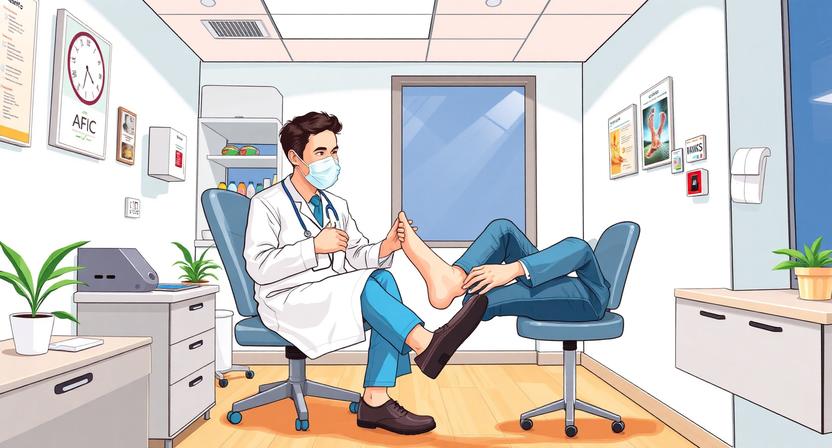
Foot health is often overlooked in overall wellness, yet it is fundamentally crucial for maintaining mobility, independence, and quality of life. Among the various components of foot health, the Achilles tendon and ankle joint play a vital role. The Achilles tendon, the strongest and largest tendon in the human body, connects the calf muscles to the heel bone, enabling us to perform essential movements such as walking, running, jumping, and standing on tiptoe. Because of its importance, paying close attention to Achilles and ankle health should be a top priority.
The Achilles tendon acts as a powerful bridge transmitting force from the calf muscles to the foot. When functioning properly, it allows seamless movement; however, injuries or problems in this region can cause significant discomfort and mobility issues. From mild pain to severe ruptures, Achilles-related ailments can severely affect daily activities if left untreated.
One of the most common issues affecting the Achilles tendon is Achilles tendinitis, an inflammation caused by overuse, repetitive stress, improper training, or sudden increased activity. Tendinitis typically manifests as pain, swelling, or stiffness at the back of the ankle, especially in the morning or after activity. If neglected, this condition can progress to tendon degeneration or rupture, requiring more intensive treatment.
Achilles rupture is a more serious injury involving a tear in the tendon, often caused by forceful jumping, sudden acceleration, or a direct blow. Patients usually experience a sudden, sharp pain in the back of the ankle, accompanied by swelling and difficulty walking or standing on tiptoe. Ruptures demand prompt medical attention, often involving surgical repair or conservative management with immobilization and physical therapy.
Aside from overuse and trauma, biomechanical issues such as flat feet, high arches, or improper gait can place abnormal stress on the Achilles tendon and ankle joint. Wearing unsupportive footwear, especially shoes that do not fit properly or lack adequate arch support, can also contribute to injury risks. Moreover, nutritional deficiencies, particularly vitamin C, zinc, and collagen, can impair tendon healing and increase susceptibility to injury.
Prevention is always better than cure, and maintaining Achilles and ankle health involves several proactive steps. Regular stretching and strengthening exercises for the calf muscles are essential. Proper warm-up routines before physical activity help prepare the tendons and muscles, reducing the risk of injury. Additionally, choosing appropriate footwear that provides sufficient support and cushioning can prevent undue stress on the Achilles tendon.
If injury occurs or symptoms develop, early intervention is crucial. Rest, ice application, compression, and elevation (RICE protocol) are effective initial treatments for mild cases. Over-the-counter anti-inflammatory medications can also help alleviate pain and swelling. However, persistent or severe symptoms require consultation with a healthcare professional achilles foot and ankle ideally an orthopedic specialist. Diagnostic imaging such as ultrasound or MRI may be necessary to determine the extent of injury.
Treatment options vary depending on the severity of the condition. Mild tendinitis can often be managed with physical therapy, anti-inflammatory drugs, and activity modifications. For ruptures, surgical repair or nonsurgical treatments like platelet-rich plasma (PRP) injections may be recommended. Post-treatment rehabilitation is vital to restore strength, flexibility, and function. It often includes targeted exercises, gait training, and gradual return to activity.
Educating patients about foot biomechanics and injury prevention further reduces risks. Proper training techniques, cross-training, and listening to one’s body signals are important. Maintaining overall health through balanced nutrition, hydration, and adequate rest supports tendon healing and resilience.
In conclusion, foot health, particularly focusing on the Achilles tendon and ankle joint, should be prioritized to ensure mobility and prevent debilitating injuries. Regular care, early treatment of symptoms, and adopting healthy habits go a long way in preserving foot function. Our feet serve as the foundation of our mobility, and taking care of them is an investment in lifelong activity and well-being. Remember, where foot health comes first, quality of life follows.